Sea Turtle 3D SVG Multilayer Laser Files
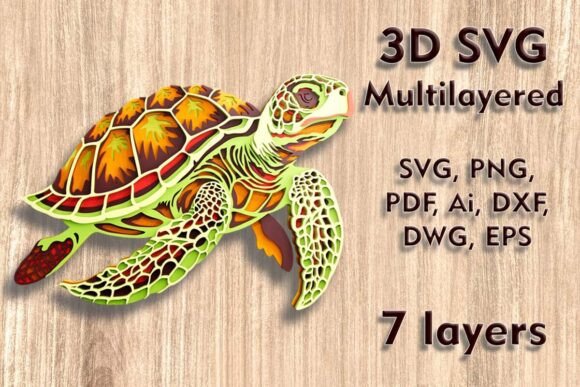
The intersection of digital design and physical craftsmanship has never been more accessible. For makers, decorators, and small business owners, the Sea Turtle 3D SVG Multilayer Laser Files represent a bridge between complex artistic vision and achievable production. This specific design, featuring a serene sea turtle surrounded by intricate mandala patterns, is not just a static image; it is a structured blueprint for creating depth, shadow, and texture. With dimensions of 292 x 204 mm (approximately 11.5 x 8 inches), this project fits comfortably within standard crafting spaces while offering enough surface area to showcase detailed layering.
Understanding how to leverage these files requires looking beyond the file format itself. It involves recognizing how different creators—from the weekend hobbyist to the professional laser operator—can utilize the seven distinct layers to achieve unique results. The versatility of this design lies in its adaptability across various materials and machines, making it a valuable asset for a wide range of creative goals.
Understanding the Design Structure
At its core, this product is a 3D Multilayered SVG Design intended for cutting machines. The "3D" effect is achieved not through modeling software, but through physical stacking. The design consists of seven separate layers that, when cut and assembled, create a relief effect. This technique relies on the precision of your cutting tool, whether it is a diode laser, CO2 laser, CNC router, or even a blade-based cutter like Cricut or Silhouette for softer materials.
The file package is comprehensive, delivered as a ZIP folder containing SVG, layered SVG, DXF, DWG, EPS, AI, PNG, and PDF formats. This variety ensures compatibility with almost any workflow. For instance, users of industrial CNC machines may prefer the precision of DXF or DWG files, while graphic designers might opt for AI or EPS to tweak vector nodes before cutting. The inclusion of PNG and PDF allows for quick visual references or print-based prototyping without needing specialized vector software.
Tailoring the Project to Your Skill Level
Different audiences approach digital cut files with varying priorities. Identifying where you fit in this spectrum can help you maximize the value of the Sea Turtle 3D SVG Multilayer Laser Files.
For Beginners and Hobbyists
If you are new to layered paper crafts or laser cutting, this design offers a forgiving entry point. The primary appeal here is ease of use. Because the files are pre-separated into layers, you do not need to spend hours in Illustrator or CorelDRAW figuring out how to offset paths for depth. You simply load the file, select your material, and cut.
Beginners often work with paper, cardstock, or cardboard. These materials are inexpensive and easy to assemble using standard PVA glue or double-sided tape. The 11.5 x 8-inch size is manageable, allowing you to complete the project in a single afternoon. The visual reward—a stunning piece of wall art—is immediate, providing a confidence boost that encourages further exploration into multilayer designs.
For Professional Makers and Small Business Owners
For entrepreneurs selling home decor, the focus shifts to commercial value and material versatility. This design supports a wide array of materials, including plywood, MDF, wood, acrylic, and even aluminum. A professional might choose 3mm birch plywood for a rustic, natural look, or colored acrylic for a modern, vibrant aesthetic. The ability to produce high-quality, repeatable results is crucial for inventory management.
Moreover, the scalability of the design is a key consideration. While the base size is 292 x 204 mm, the vector nature of SVG and DXF files allows for enlargement. A business owner could scale this up to create a large statement piece for a client’s living room. However, caution is advised when reducing the size. As the design shrinks, the thin elements of the mandala and the turtle’s fins may become too fragile to cut cleanly or may break during weeding and assembly. Maintaining structural integrity is essential for customer satisfaction.
For Educators and Workshop Leaders
Educators value learning value and reliability. This project serves as an excellent teaching tool for concepts such as spatial reasoning, patience, and fine motor skills. In a classroom setting, using cardstock or heavy paper reduces cost and safety concerns associated with power tools. The seven-layer structure provides a clear, step-by-step process that students can follow, reinforcing the importance of order and precision in assembly.
Material Selection and Machine Compatibility
The choice of material dramatically alters the final appearance and difficulty of the project. Here is how different materials interact with the Sea Turtle 3D SVG Multilayer Laser Cutting Files:
- Plywood and MDF: Ideal for laser cutters and CNC routers. These materials provide rigidity and a warm, organic feel. Ensure your laser is calibrated to cut through the thickness without excessive charring, which can obscure the delicate mandala details.
- Acrylic: Offers a sleek, contemporary look. Acrylic layers can be translucent, allowing light to pass through and create interesting shadow effects. However, acrylic requires precise cutting speeds to avoid melting edges.
- Paper and Cardstock: Best for blade cutters like Cricut or Silhouette. These materials are perfect for indoor wall art or greeting cards. They are lightweight and easy to glue, but they lack the durability of wood or plastic.
- Aluminum: For advanced users with fiber lasers or specialized CNC setups. Aluminum adds an industrial, high-end finish but requires significant technical expertise to process safely and effectively.
Regardless of the material, the number of layers remains constant at seven. This consistency allows creators to experiment with mixed media—for example, using a wooden base layer with paper accents on top—to create unique textural contrasts.
Practical Assembly Tips
Creating a flawless 3D effect depends heavily on assembly. Regardless of your audience profile, consider these practical steps:
- Label Your Layers: Before removing any pieces from the cutting mat, label each layer. The files are usually numbered, but keeping track during assembly prevents confusion.
- Test Fit: Dry-fit the layers without glue to ensure alignment. This step is crucial when working with materials that may have slight variances in thickness.
- Adhesive Choice: Use foam adhesive squares or double-sided tape between layers to enhance the 3D effect. This creates visible gaps that cast shadows, adding depth that flat gluing cannot achieve.
- Frame It: Once assembled, placing the artwork in a deep-shadow box frame protects the delicate layers and elevates the presentation, making it ready for display or sale.
Is This Design Right for You?
To determine if the Sea Turtle 3D SVG Multilayer Laser Files match your needs, consider your primary goal. If you seek a quick, low-cost craft for personal enjoyment, stick to paper and cardstock. If you aim to build a product line, invest time in mastering wood or acrylic cuts to offer premium items. For educators, the focus should be on the process and the educational benefits of layered construction.
The flexibility of the file formats—SVG, DXF, AI, and more—ensures that technical barriers are minimal. The challenge lies not in obtaining the design, but in executing it with care. By respecting the limitations of thin elements when scaling and choosing materials that suit your machine’s capabilities, you can transform a digital file into a tangible piece of art that resonates with viewers.
Ultimately, this design is a tool. Its value is determined by how you wield it. Whether you are upgrading your home decor, expanding your Etsy shop, or teaching a class on spatial design, the Sea Turtle Mandala offers a structured yet creative pathway to achieving professional-looking results.