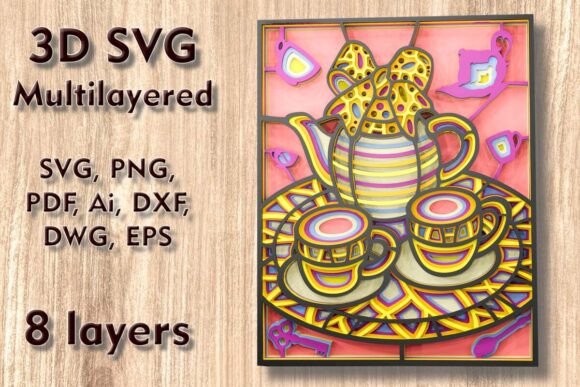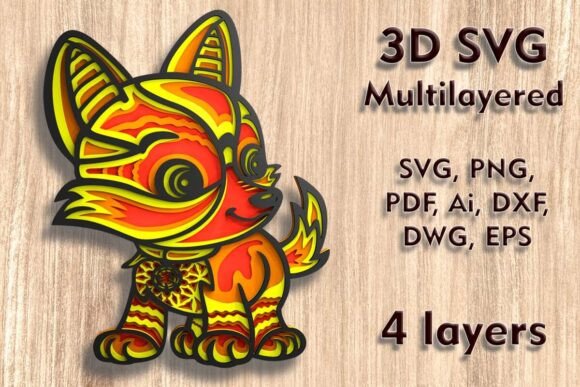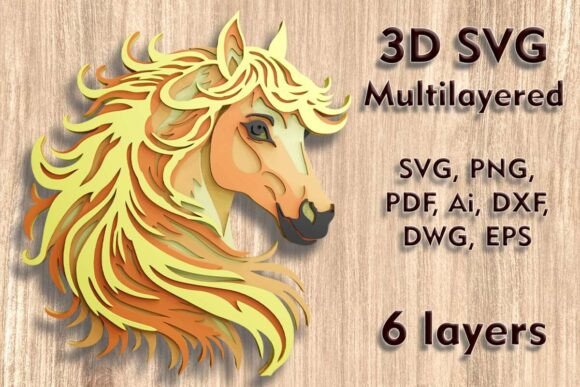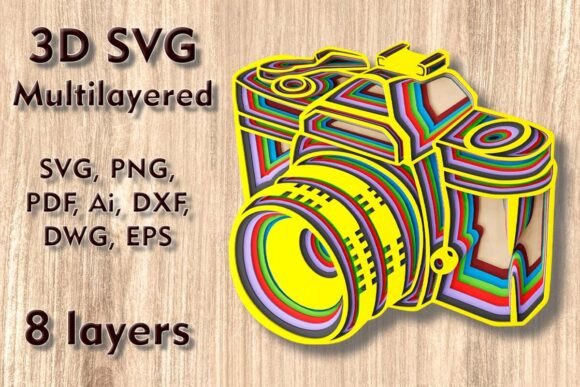
Creating Dimensional Wall Art with Fast Food 3D SVG Multilayer Laser Files
The intersection of digital design and physical crafting has opened new avenues for home decor enthusiasts, allowing for the creation of sophisticated, multi-dimensional art pieces from relatively simple materials. Among the growing library of digital assets available to makers, Fast Food 3D SVG Multilayer Laser Files represent a specific niche that blends pop culture aesthetics with technical precision. These files are not merely flat illustrations; they are engineered blueprints for layered construction, designed to transform two-dimensional sheets of material into tangible, shadow-casting sculptures.
For crafters evaluating whether this type of project fits their skill level and equipment capabilities, understanding the structural requirements and material limitations is essential. This article explores the practical aspects of working with these multilayered designs, comparing them to standard cutting projects and offering guidance on when this approach yields the best results.
Understanding the Multilayer Structure
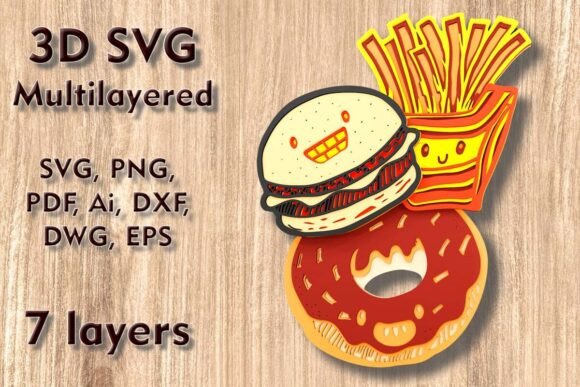
The defining characteristic of the Fast Food Mundala Svg and similar 3D designs is their reliance on depth rather than color to create visual interest. The design consists of seven separate layers, each meticulously spaced to create a parallax effect when assembled. This layering technique mimics the look of traditional paper quilling or shadow boxes but utilizes modern cutting technology for precision.
When you purchase these files, you receive a ZIP folder containing a comprehensive suite of formats, including SVG, layered SVG files, DXF, DWG, EPS, AI, PNG, and PDF. This variety ensures compatibility across a broad spectrum of hardware. Whether you are using a desktop die-cutting machine like a Cricut or Silhouette, or a more industrial laser cutter or CNC router, the file formats are tailored to interpret vector paths accurately. The inclusion of DXF and DWG files is particularly valuable for users operating CNC machinery, as these formats are standard in computer-aided manufacturing environments.
Dimensions and Scalability Considerations
The standard dimensions for this specific fast food-themed design are 290 mm in height by 225 mm in width (approximately 11.4 x 8.9 inches). This size is ideal for shelf decor, desk accents, or as part of a larger gallery wall. One of the significant advantages of vector-based SVG files is scalability. Users can easily increase the size of the design to create a statement piece for a living room or kitchen without losing resolution or cut quality.
However, reducing the design requires caution. The seven-layer structure includes thin elements that serve as connectors or detailed features of the fast food imagery. If the overall dimensions are shrunk significantly, these delicate components may become too fragile to handle or may not cut cleanly, depending on the material thickness. For those looking to create smaller ornaments or jewelry, it is advisable to test cut a single layer first to ensure the structural integrity of the fine details remains intact.
Material Selection: Balancing Aesthetics and Durability
The versatility of Fast Food 3D SVG Multilayer Laser Cutting Files lies in their compatibility with various materials. The recommended list includes plywood, paper, cardstock, MDF, wood, acrylic, cardboard, and even aluminum. Each material offers a distinct aesthetic and presents unique challenges during the assembly process.
- Plywood and Wood: These are the most popular choices for laser-cut 3D art. Plywood, particularly birch, offers a smooth edge and consistent thickness, which is crucial for aligning seven layers perfectly. The natural grain adds warmth to the fast food theme, creating an interesting contrast between the organic material and the synthetic subject matter.
- Paper and Cardstock: For users without access to laser cutters, heavy-weight cardstock or paper can be used with electronic cutting machines. This approach is cost-effective and allows for vibrant color customization. However, paper lacks the rigidity of wood, so the final piece may require a rigid backing board to prevent warping over time.
- Acrylic: Using acrylic creates a modern, glossy finish. It is durable and easy to clean, making it suitable for high-traffic areas like kitchens. However, acrylic can be brittle, and the layers may require specialized adhesives to bond securely without clouding the transparent edges.
- MDF and Cardboard: These are budget-friendly alternatives. MDF provides a uniform surface that paints well, while cardboard offers a rustic, eco-friendly look. Both materials are thicker, so users must ensure their cutting machines have the necessary depth clearance and power to penetrate seven stacked layers if cutting individually, or adjust settings for single-layer cuts.
Choosing the right material often depends on the intended location of the decor. For a humid environment like a kitchen, where fast food decor is contextually appropriate, acrylic or sealed wood is preferable to untreated paper or cardboard, which may absorb moisture and degrade.
Comparison with Standard 2D Cutting Projects
When deciding between standard 2D SVGs and 3D multilayer files, crafters should consider the time investment and complexity. A typical 2D project involves cutting a single shape and perhaps applying it to a background. It is quick, forgiving, and ideal for beginners. In contrast, working with Fast Food 3D SVG Multilayer Laser Files is a more involved process.
The primary tradeoff is assembly time. With seven layers, alignment is critical. Each layer must be positioned precisely relative to the one below it. This often requires the use of registration marks, jigs, or careful manual measurement. While the result is a professional-looking, high-end piece of decor, the process demands patience and attention to detail. For those who enjoy the meditative aspect of crafting and value the uniqueness of the final product, the extra effort is justified. However, for users seeking quick turnaround for events or bulk gifts, simpler 2D designs may be more practical.
Another distinction is the visual impact. 2D designs rely on color and silhouette, whereas 3D layered designs rely on shadow and depth. The interplay of light and shadow in a multilayer piece changes throughout the day, adding dynamic visual interest that flat images cannot replicate. This makes 3D SVGs particularly effective for wall art where lighting conditions vary.
Machine Compatibility and Technical Requirements
The suitability of your equipment plays a major role in the success of this project. Desktop cutting machines like the Cricut Maker or Silhouette Cameo are capable of handling the SVG and PDF formats provided. These machines excel at cutting paper, cardstock, and thin vinyl. If using these devices, it is recommended to cut each of the seven layers individually from cardstock or thin balsa wood, then assemble them manually.
Laser cutters, such as the Glowforge or xTool, offer a different advantage. They can cut through thicker materials like plywood and acrylic with high precision. The layered SVG files allow users to assign different colors to each layer in the software, which can correspond to different power and speed settings if varying materials are used. Furthermore, laser engraving can add texture or detail to the surface of each layer before assembly, enhancing the realism of the fast food items depicted.
CNC routers are another viable option, particularly for wood and MDF. The DXF and DWG files included in the download are optimized for these machines. CNC routing is ideal for larger-scale productions or when working with harder woods that lasers might struggle to cut cleanly without charring. However, CNC machines typically have larger tool bits, which means internal corners will be rounded rather than sharp. Designers of these SVGs usually account for this, but it is a factor to consider when evaluating the final aesthetic.
Decision Factors: Is This Design Right for You?
Before downloading and starting the project, consider your specific goals and resources. The Fast Food 3D SVG Multilayer Laser Files are an excellent choice if:
- You have experience with layered assembly and possess the patience for detailed work.
- You own a machine capable of precise vector cutting, such as a laser cutter, CNC, or high-end electronic cutter.
- You are looking for a unique conversation piece for home decor, particularly in kitchens, dining areas, or casual living spaces.
- You want to experiment with material contrasts, such as combining wood tones with painted accents.
Conversely, you might prefer alternative options if:
- You are a beginner unfamiliar with alignment techniques and adhesive selection.
- You need to produce items quickly for a large event or sale.
- Your equipment is limited to basic printing or simple die-cutting without layering capabilities.
- You prefer minimalist, flat design aesthetics over textured, dimensional art.
Ultimately, the value of these files lies in their ability to bridge the gap between digital convenience and tactile craftsmanship. They provide a structured framework for creating complex art, removing the need for manual design work while allowing for creative freedom in material and color choices. By understanding the technical requirements and comparing them against your available tools and time, you can determine if this multilayered approach aligns with your crafting objectives.
For those ready to upgrade their crafting portfolio, these files offer a reliable pathway to producing enchanting home wall decor. Whether utilized as a standalone piece or integrated into a larger thematic collection, the Fast Food Mundala Svg demonstrates how modern digital assets can enhance traditional making skills, resulting in objects that are both visually striking and personally satisfying to create.