Mastering Depth: A Guide to Rose 3D SVG Multilayer Laser Files for Precision Crafting
The evolution of digital fabrication has transformed how creators approach wall art and decorative design. Gone are the days when laser cutting was limited to flat, two-dimensional silhouettes. Today, the integration of depth through layering allows artisans to produce museum-quality pieces from the comfort of their workshops. At the forefront of this movement is the Rose 3D SVG Multilayer Laser Files collection, a sophisticated design resource that bridges the gap between digital precision and organic beauty. This article explores the technical nuances, material considerations, and creative applications of these multilayered designs, providing a comprehensive guide for hobbyists and professionals alike.
The Architecture of Dimensional Design
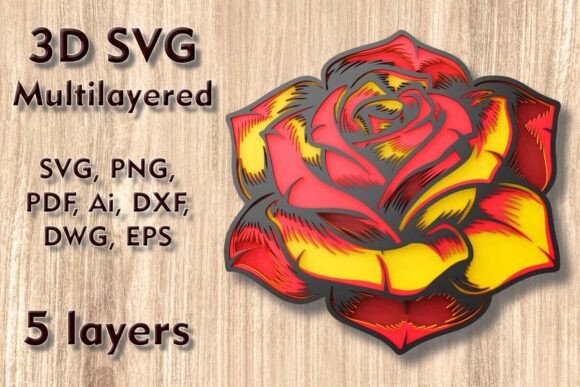
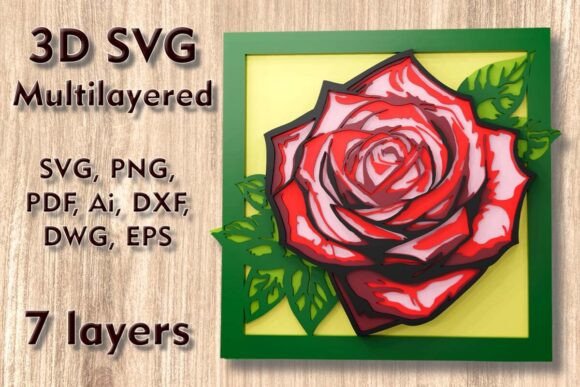
Understanding the structure of a 3D SVG file is essential for successful execution. Unlike standard vector graphics, a multilayered design relies on the strategic stacking of individual components to create shadow, depth, and perspective. The Rose Mundala Svg serves as a prime example of this architectural approach. Comprising seven distinct layers, the design mimics the natural unfolding of a rose, where each petal overlaps the next to generate a realistic sense of volume.
The specific dimensions of this design—300 mm width by 277 mm height (approximately 11.8 x 10.9 inches)—are carefully calculated to balance detail with structural integrity. This size is ideal for medium-sized wall decor, offering enough surface area to appreciate the intricacies of the cut without overwhelming a standard living space. While the design is scalable, creators must exercise caution. Increasing the size is generally straightforward and often enhances the visual impact. However, reducing the design requires meticulous attention. As the overall footprint shrinks, the thin elements connecting the petals and the intricate mandala details may become too fragile for certain materials, leading to breakage during the weeding or assembly process.
Material Selection and Compatibility
The versatility of the Rose 3D SVG Multilayer Cutting Files lies in their compatibility with a wide array of substrates. The choice of material significantly influences the final aesthetic, durability, and assembly method. Below is an analysis of suitable materials and their specific characteristics when used with this seven-layer design.
- Plywood and Wood: These are the most popular choices for permanent wall art. Birch plywood, in particular, offers a smooth grain and consistent density, allowing for clean cuts on both laser and CNC machines. The natural wood tone adds warmth to the rose motif, enhancing its organic feel.
- MDF (Medium-Density Fiberboard): MDF provides a uniform surface without grain, making it ideal for painting. If the goal is a monochromatic or brightly colored piece, MDF ensures that the paint adheres evenly across all seven layers.
- Acrylic: For a modern, sleek look, acrylic sheets can be used. This material reflects light differently than wood, creating sharp shadows and highlights. It is particularly effective for contemporary interior designs where gloss and transparency play a role.
- Paper and Cardstock: These materials are perfect for greeting cards, gift toppers, or lightweight decor. Paper crafting requires precise handling, as the thinness of the material means that adhesive selection is critical to prevent warping.
- Cardboard: An eco-friendly and cost-effective option, cardboard is excellent for prototyping or large-scale installations where weight is a concern. Its corrugated edge can add an interesting textural element if left exposed.
- Aluminum: For industrial or outdoor applications, thin aluminum sheets can be cut using specialized fiber lasers. This results in a durable, weather-resistant piece suitable for exterior decor.
When working with these materials, it is crucial to adjust machine settings accordingly. What works for 3mm plywood will not necessarily work for 2mm acrylic or heavy cardstock. Test cuts are recommended to determine the optimal power and speed settings for each layer, ensuring that edges are clean and free from charring or melting.
Workflow Integration Across Platforms
One of the significant advantages of purchasing high-quality digital assets like the Rose Mundala Svg is the breadth of file format support. After purchase, users receive a ZIP folder containing SVG, layered SVG files, DXF, DWG, EPS, AI, PNG, and PDF formats. This diversity ensures seamless integration into various workflows, regardless of the hardware or software ecosystem.
For users of Cricut or Silhouette machines, the SVG and layered SVG files are indispensable. These formats preserve the vector paths, allowing the software to recognize each of the seven layers individually. This enables the "Print then Cut" feature for paper projects or direct cutting for vinyl and cardstock. The layered structure simplifies the matting process, as each layer can be assigned to a different color or material type within the design software.
Laser cutter enthusiasts, particularly those using Glowforge, xTool, or industrial CO2 lasers, will find the DXF and AI formats highly useful. These files maintain precise geometric data, which is critical for maintaining registration between layers. When assembling a seven-layer piece, even a millimeter of misalignment can disrupt the visual harmony. The DXF format is also compatible with many CAD programs, allowing engineers and architects to incorporate the rose design into larger structural plans or custom furniture pieces.
CNC router users can utilize the DWG or DXF files to generate toolpaths. Unlike laser cutting, which vaporizes material, CNC routing removes material mechanically. This requires consideration of bit size. The intricate details of the rose mandala may require a small end mill, such as a 1/16-inch bit, to capture the fine curves without leaving excessive tool marks.
Assembly Techniques for Professional Results
The transition from cut pieces to a finished 3D artwork hinges on the assembly process. With seven layers to manage, organization is key. Before applying any adhesive, lay out all pieces in order. This "dry fit" stage allows you to verify that all parts are present and that the alignment holes (if included in the design) match up correctly.
Adhesive Selection: For wood and MDF, wood glue or PVA adhesive provides a strong bond but requires clamping or weighted pressure while drying. For faster assembly, cyanoacrylate (super glue) can be used, though it offers less room for adjustment. When working with paper or cardstock, double-sided foam tape is an excellent choice. It not only bonds the layers but also provides a consistent spacing between them, enhancing the 3D effect without the need for complex spacers.
Alignment Strategies: Many 3D SVG designs include small registration marks or tabs to aid in alignment. If these are not present, creating a jig from scrap cardboard can help keep the layers centered. Start from the base layer and work your way up, checking the alignment from multiple angles after adding each subsequent layer. Patience during this phase ensures that the final product looks professional and symmetrical.
Creative Applications and Use Cases
The Rose 3D SVG Multilayer Laser Files are not limited to traditional wall hangings. Their versatile design opens up numerous creative avenues for makers and businesses.
- Home Decor: The primary use case remains wall art. The rose motif fits seamlessly into bohemian, rustic, or modern farmhouse interiors. It can be stained, painted, or left natural to match existing decor schemes.
- Gift Giving: A framed 3D rose makes a thoughtful and personalized gift for anniversaries, weddings, or Mother’s Day. The effort involved in assembling the layers adds sentimental value that mass-produced items lack.
- Commercial Signage: Businesses in the beauty, wellness, or floral industries can use this design as part of their branding. Mounted behind a reception desk or in a window display, the layered rose creates a striking visual identity.
- Educational Projects: Educators can use these files to teach students about geometry, symmetry, and the engineering principles of layering. It provides a hands-on approach to understanding how 2D shapes combine to form 3D structures.
- Event Decor: For weddings or parties, multiple units can be produced and arranged as backdrops or table centerpieces. Using lighter materials like paper or thin acrylic allows for easy transport and setup.
Considerations for Scaling and Modification
While the default size of 300 x 277 mm is optimized for detail, creators may wish to adapt the design for different contexts. When scaling up, consider the thickness of the material. Larger pieces may require thicker wood to prevent bowing, which in turn affects the depth perception. You may need to adjust the spacing between layers to accommodate the increased material thickness.
Conversely, when scaling down, be mindful of the "kerf"—the width of the cut made by the laser or blade. In smaller designs, the kerf can consume a significant portion of the delicate features, potentially causing petals to detach or merge unintentionally. It is advisable to avoid reducing the design below 50% of its original size unless using high-precision equipment and very thin materials like veneer or heavy paper.
In conclusion, the Rose Mundala Svg represents more than just a digital file; it is a toolkit for creative expression. By understanding the interplay between material properties, machine capabilities, and assembly techniques, creators can unlock the full potential of these Rose 3D SVG Multilayer Laser Files. Whether you are a seasoned CNC operator or a Cricut enthusiast just starting out, the journey from digital vector to tangible art offers endless opportunities for innovation and craftsmanship.