Crafting Depth: A Guide to 3D Cross SVG Multilayered Cutting Files
In the evolving world of digital crafting, flat designs are no longer enough. Makers and hobbyists are increasingly seeking dimension, texture, and visual complexity in their projects. This is where the Cross 3D SVG Multilayered Cutting Files come into play. These intricate designs transform simple materials like plywood, cardstock, or acrylic into stunning pieces of wall art that command attention. Whether you are decorating a sacred space, creating a meaningful gift, or adding a touch of modern elegance to your home, understanding how to leverage these multilayered files can elevate your crafting from basic to breathtaking.
The Art of Layered Design
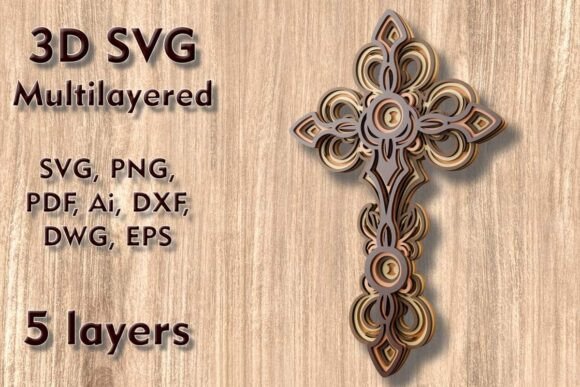
The core appeal of the Cross Mundala Svg lies in its construction. Unlike standard single-layer cutouts, this design consists of 5 separate layers. When stacked correctly, these layers create a shadow-box effect, giving the cross a tangible sense of depth. This technique mimics traditional woodworking joinery or paper quilling but achieves it through precise digital cutting.
The interplay between the layers is what brings the design to life. Light catches the edges of each tier, creating natural shadows that highlight the mandala-inspired details within the cross structure. This makes the piece dynamic; it looks different depending on the angle of view and the lighting in the room. For those using laser cutters or CNC routers, this depth is achieved by varying the height of the material stack or using spacers, while Cricut and Silhouette users often achieve this by layering cardstock or foam board.
Material Versatility and Selection
One of the greatest strengths of these Cross 3D SVG Multilayer Laser Cutting Files is their adaptability to various materials. The file package is designed to work with a wide range of substrates, allowing you to choose based on your desired aesthetic and durability requirements.
- Wood and Plywood: Ideal for permanent home decor. Birch plywood offers a clean, light finish that stains beautifully, while darker woods like walnut provide a rich, sophisticated contrast.
- MDF: A cost-effective option for larger pieces. It paints evenly and provides a smooth surface, though it lacks the natural grain of wood.
- Acrylic: Perfect for a modern, sleek look. Transparent or mirrored acrylics can create fascinating light-reflection effects, especially when backlit.
- Paper and Cardstock: Excellent for greeting cards, invitations, or lightweight wall hangings. Layering colored cardstocks can add vibrancy without the need for painting.
- Cardboard: A sustainable choice for prototypes or rustic-themed decor. Corrugated edges can add an interesting textural element if left exposed.
- Aluminum: For industrial-chic aesthetics, thin aluminum sheets can be cut to create durable, metallic art pieces.
When selecting your material, consider the end use. A wooden cross might serve as a lasting heirloom, while a paper version could be a delicate, seasonal decoration. The versatility of the file formats ensures that whether you are working with a high-powered industrial laser or a desktop die-cutter, the design remains accessible.
Understanding Dimensions and Scaling
The standard size for this design is 250 x 160 mm (9.9 x 6.3 inches). This dimension is carefully calibrated to balance detail with structural integrity. However, crafting is rarely one-size-fits-all. You may find yourself needing a larger statement piece for a living room wall or a smaller ornament for a shelf.
Increasing the size of the design is generally straightforward and safe. Scaling up allows for more dramatic presence and can make assembly easier, as the individual components become larger and simpler to handle. However, reducing the design requires caution. The intricate mandala patterns and thin connecting elements within the 5 layers have minimum thickness thresholds. If you scale the file down too much, these delicate parts may become too fragile to cut cleanly or may break during the weeding and assembly process. Always test cut a small section if you plan to significantly reduce the dimensions, especially when using brittle materials like acrylic or thin wood veneers.
Compatibility with Cutting Machines
Modern crafting workflows rely on seamless integration between design files and hardware. The Cross 3D SVG Multilayered Cutting Files are optimized for a broad spectrum of machines, ensuring that regardless of your equipment, you can bring this design to life.
For Cricut and Silhouette users, the layered SVG files are particularly valuable. These machines excel at cutting paper, cardstock, and thin vinyl. The separate layer files allow you to assign different colors or materials to each tier easily within the design software. This is perfect for creating colorful, textured paper art or intricate greeting cards.
Laser cutters, such as the Glowforge, xTool, or industrial CO2 lasers, benefit from the precision of the DXF, DWG, and AI files. Lasers can handle the finer details of the mandala patterns with ease, especially in wood and acrylic. The kerf (the width of the cut) is minimal, ensuring that the layers fit together snugly without excessive gaps. For CNC router users, the DXF and DWG formats provide the vector paths needed for toolpath generation, allowing for deeper cuts in thicker materials like MDF or solid wood.
File Formats and Workflow Integration
Upon purchase, you receive a comprehensive ZIP folder containing multiple file formats: SVG, layered SVG, DXF, DWG, EPS, AI, PNG, and PDF. This variety is not just for show; it addresses the specific needs of different software ecosystems.
The layered SVG is arguably the most user-friendly for beginners using web-based design tools like Cricut Design Space or Canva. It preserves the separation of the five layers, saving you the time of manually separating elements. For professional graphic designers using Adobe Illustrator or CorelDRAW, the AI and EPS files offer full editability. You can adjust node points, modify curves, or change colors before sending the file to your cutter.
Engineers and CAD users will appreciate the DXF and DWG files, which are standard in industrial design and CNC machining. These formats ensure that dimensions remain precise and that the geometry is interpreted correctly by CAM software. The included PNG and PDF files serve as excellent references for assembly guides or preview images, helping you visualize the final product before you begin cutting.
Practical Assembly Tips
Creating a 3D effect requires more than just cutting; it demands careful assembly. Here are some practical recommendations to ensure your Cross 3D SVG Multilayered Cutting Files project succeeds:
- Clean Your Edges: After cutting, especially with wood or MDF, sand any rough edges or burn marks. This ensures that the layers sit flush against each other.
- Choose the Right Adhesive: For wood and MDF, wood glue provides a strong, permanent bond. For paper and cardstock, a fine-tip glue pen or double-sided tape works best to prevent warping. Acrylic bonds well with specialized acrylic cement or clear epoxy.
- Align Carefully: Use registration marks or a lightbox to align the layers accurately. Even a millimeter of misalignment can disrupt the symmetry of the mandala design.
- Consider Spacing: If you want a more pronounced 3D effect, consider adding small foam spacers between layers. This is particularly effective with paper or thin wood veneers.
- Finish with Style: Once assembled, consider sealing wood with a clear varnish or painting the edges for a polished look. For paper projects, framing behind glass can protect the delicate layers.
Elevating Home Decor and Gifting
The final product is more than just a craft; it is a piece of art. A Cross 3D SVG Multilayered Cutting File project can serve as a focal point in a living room, a serene addition to a prayer corner, or a thoughtful, handmade gift for friends and family. The effort involved in layering and assembling the piece adds a personal touch that mass-produced items simply cannot match.
By unlocking the magic of these high-quality SVG files, you transform raw materials into enchanting home wall decor. Whether you are a seasoned Cricut enthusiast, a Silhouette artist, or a Glowforge operator, this design offers a rewarding challenge and a beautiful result. Embrace the precision of digital cutting and the warmth of handmade creation to produce craft wonders that truly resonate.