Rainbow 3D SVG Multilayer Laser Cut File
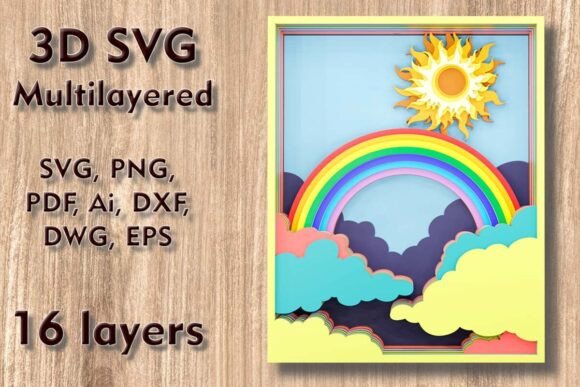
The intersection of digital precision and tactile artistry has never been more accessible than it is today. For creators who understand the value of depth, shadow, and color in physical design, the Rainbow 3D SVG Multilayer Laser Cut File represents a significant leap forward in home decor and gift crafting. This is not merely a flat vector image; it is a meticulously engineered architectural blueprint for paper or wood art. The design features a vibrant mandala structure that relies on sixteen distinct layers to create a stunning three-dimensional effect. When assembled, the interplay of light and shadow across these layers transforms a simple cutout into a dynamic piece of wall art that commands attention.
What sets this specific design apart is its versatility and structural integrity. With dimensions set at 250mm height by 200mm width (approximately 9.9 x 7.9 inches), it offers a substantial presence suitable for shelf displays or framed wall mounting. The aspect ratio is balanced, ensuring that the visual weight is distributed evenly, which is crucial when working with delicate materials like cardstock or thin plywood. While the default size is optimized for standard crafting machines, the scalable nature of SVG files allows for enlargement without loss of quality. However, creators must exercise caution when reducing the scale. The intricate details and thin connecting elements that define the mandala’s elegance can become fragile or impossible to weed if the design is shrunk too aggressively. Understanding these physical limitations is key to achieving a professional finish.
Material Versatility and Machine Compatibility
One of the strongest assets of the Rainbow 3D SVG Multilayer Laser Cutting Files is their broad compatibility with various substrates and cutting technologies. Whether you are operating a desktop diode laser, a CO2 industrial cutter, or a blade-based machine like Cricut or Silhouette, this file adapts seamlessly. The sixteen-layer structure is designed to accommodate a range of material thicknesses, from delicate 80gsm paper to robust 3mm plywood or MDF.
For those using blade cutters, cardstock and heavy-weight paper are ideal. The layering effect here relies on the subtle shadows cast by each successive sheet, creating a soft, organic depth. Conversely, laser users can exploit the burning edge of wood or acrylic to add contrast. Plywood and MDF offer a rustic, warm aesthetic that pairs beautifully with the geometric precision of the mandala. Acrylic provides a modern, glossy finish that reflects light, enhancing the 3D illusion. Even unconventional materials like aluminum sheets or cardboard can be utilized, provided the machine settings are calibrated correctly for the material density.
The file package supports this versatility by including multiple formats: SVG, layered SVG, DXF, DWG, EPS, AI, PNG, and PDF. This comprehensive suite ensures that whether you are importing into LightBurn, RDWorks, Cricut Design Space, or Adobe Illustrator, the vector paths remain clean and editable. The inclusion of DWG and DXF is particularly valuable for CNC router users who require precise toolpath generation for deeper engraving or cutting through thicker hardwoods.
Design Aesthetics and Visual Impact
Visually, the Rainbow Mundala Svg operates on principles similar to high-end editorial design and packaging design, where hierarchy and texture drive engagement. Although we often discuss these concepts in the context of typography—such as choosing between a serif font for tradition or a sans serif font for modernity—the same rules apply to graphic layering. The mandala acts as a display element, much like a bold headline font in a magazine layout. It draws the eye immediately and holds attention through complexity.
The "rainbow" aspect of the design invites creative color theory application. Unlike a monochrome wood cut, this design encourages the use of varied hues across the sixteen layers. This approach mirrors the concept of font pairing in branding, where contrasting elements create harmony. You might choose a gradient effect, moving from cool blues at the base to warm oranges at the top, or use complementary colors to make specific layers pop. This level of customization allows the piece to serve as a central anchor in a room’s brand identity or interior design scheme.
In terms of style, the mandala bridges the gap between traditional spiritual symbolism and contemporary geometric art. It possesses the intricacy of a script font or handwritten font—organic and flowing—yet maintains the structural rigidity of modern typography. This duality makes it appealing to a wide demographic, from yoga studio owners looking for serene decor to tech entrepreneurs seeking a unique office centerpiece. The design’s personality is calm yet complex, offering a meditative focal point that rewards closer inspection.
Practical Applications for Creators and Businesses
For small business owners and Etsy sellers, the Rainbow 3D SVG Multilayer Laser Cut File is a potent asset. It transforms raw materials into high-value finished goods. Consider the profit margins: a sheet of plywood or a pack of colored cardstock costs relatively little, but the perceived value of a hand-assembled, 16-layer 3D artwork is significantly higher. This is akin to leveraging a premium font in logo design; the underlying asset elevates the entire project’s professionalism.
Beyond wall art, this design can be adapted for greeting cards, box toppers, or lamp shades. When used as a lamp shade, the layered cuts create intricate light patterns on surrounding walls, adding an ambient layer to interior lighting design. For event planners, scaled-up versions can serve as photo backdrops or table centerpieces, providing a cohesive visual theme that enhances social media graphics and event photography.
From a workflow perspective, the pre-separated layers save hours of design time. Manually separating a complex mandala into sixteen distinct, cut-ready vectors is a tedious task that requires advanced knowledge of vector software. By purchasing this ready-made solution, creators can focus on assembly and finishing rather than technical prep work. This efficiency is crucial for maintaining consistency in production, especially when fulfilling bulk orders.
Technical Considerations for Optimal Results
To maximize the potential of this creative font-like graphic asset, attention to detail during the cutting and assembly process is non-negotiable. Here are practical recommendations for achieving the best results:
- Test Cuts: Always perform test cuts on scrap material to determine the optimal power and speed settings. This prevents charring on wood or tearing on paper.
- Weeding Strategy: For the innermost layers, use fine-tip tweezers. The thin elements mentioned earlier require a gentle touch to avoid breaking connections.
- Adhesive Selection: Use double-sided tape dots or spray adhesive for paper layers to avoid warping. For wood, a strong wood glue applied sparingly ensures a clean bond without oozing.
- Layer Alignment: Create a jig or template to ensure each layer is perfectly centered. Misalignment by even a millimeter can disrupt the 3D illusion and make the design look sloppy.
- Color Planning: Lay out your colored materials before cutting. Visualize the final gradient to ensure a smooth transition between layers.
The Rainbow 3D SVG Multilayer Laser Cut File is more than just a digital download; it is a toolkit for creative expression. It empowers hobbyists and professionals alike to produce gallery-quality decor with accessible tools. By respecting the material constraints and leveraging the design’s inherent structural beauty, you can create pieces that are not only visually striking but also emotionally resonant. Whether for personal enjoyment or commercial enterprise, this multilayered mandala offers a rewarding blend of technical challenge and artistic payoff.